

Compassion isn’t something children magically develop one day. It’s learned in kitchens. In playgrounds. In grocery store queues.
And we get it. You want to protect your most precious ones. But sometimes, that entails opening their eyes to the world around them. Show them the empathy of a healthcare worker. The patience of a teacher. The love of a parent.
There are plenty of ways to teach our children how to be kind. Small, consistent acts can leave the biggest impression.
Compassion Starts at Home
Children are always watching. They notice how we speak to our spouses, respond to frustrating situations, and treat strangers.
Before they hear our lessons, they see our example. Jesus showed compassion in practical ways. He noticed people who were overlooked. He listened. He healed. He served. He demonstrated pity. Those same habits can shape the atmosphere in our homes.
“And Jesus went throughout all the cities and villages, teaching in their synagogues and proclaiming the gospel of the kingdom and healing every disease and every affliction. 36 When he saw the crowds, he had compassion for them, because they were harassed and helpless, like sheep without a shepherd.” – Matthew 9:35-36
The Bump explains that children learn empathy best when parents intentionally model kindness and help them recognize others’ feelings. Rather than telling children to “be nice,” it’s far more effective to demonstrate what compassion looks like every day.
Note: This is a sponsored guest post. I was compensated for publishing this article, but I only accept content that fits the heart and purpose of MaestraMom.com.
Let Your Children See You Serve
You could be making a meal for a sick neighbor or helping an elderly church member with groceries; invite your children along.
Talk about why you’re serving. Explain that kindness isn’t about getting praise. It’s about reflecting God’s love.
Focus on the Family encourages parents to make service part of normal family life instead of treating it as an occasional event. When serving becomes routine, children begin to see compassion as part of following Christ.
Small Habits Build Big Hearts
Kindness grows through repetition. That means looking for simple opportunities every single day.
Practice Everyday Kindness
Challenge your kids to:
- Write encouraging notes.
- Pray for someone who is struggling.
- Help set the dinner table without being asked.
- Share toys willingly.
- Welcome the new child at church or school.
- Thank teachers, coaches, and caregivers.
These little moments teach children that compassion isn’t reserved for emergencies. Parents.com says that habits like expressing gratitude and talking openly about emotions help children naturally become kinder people.
Singing Bible songs about helping and sharing, serving, and loving others also is a natural way to teach children to show compassion to the people in our lives.
Read Stories That Build Empathy
Books have an incredible way of helping little ones step into someone else’s shoes. Read Bible stories, biographies about people who have served others, or age-appropriate fiction. Pause occasionally to ask questions.
Ask Thoughtful Questions
Don’t race through the story; ask:
- How do you think this person felt?
- What would you have done?
- How did God show love in this situation?
- How can we do something similar today?
Reading together also strengthens emotional development. The experts at Child Mind Institute explain that reading aloud supports language development. It also helps them understand emotions, relationships, and others’ experiences.
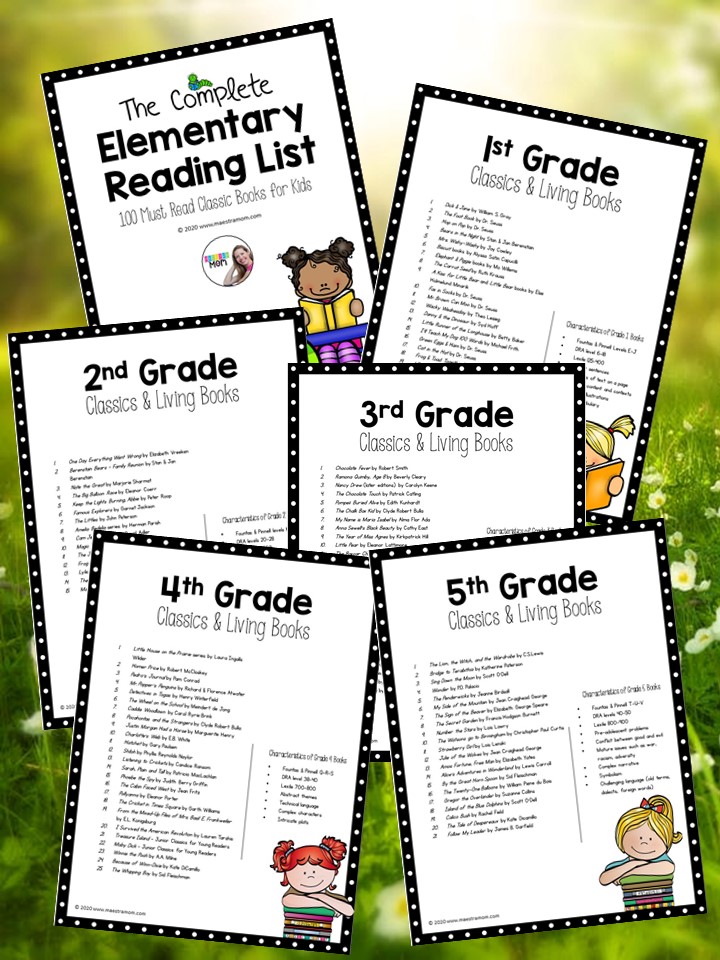
Grab your free copy of the best 100 classic and living books for kids -broken down by age-appropriate grade level reading for each phase of elementary!
Community Outreach Makes Faith Visible
Children understand compassion even better when they experience it firsthand.
Volunteer at a food pantry. Visit a retirement home. Pack blessing bags for people experiencing homelessness. Collect clothes for families in need.
Little Olive Tree explains that community outreach gives kids practical opportunities to live out biblical teachings about loving their neighbors. Serving together helps faith move from words into action.
>>> Need some great books to open the conversation about compassion? Check out these 10 Children’s Books About Diversity.
Compassion Can Shape Future Callings
One of the beautiful things about raising compassionate children is watching those values influence who they become as adults.
Some children may discover a passion for teaching. Others may feel called to ministry, counseling, or healthcare.
For moms who are already nurses, pursuing an advanced degree can become another powerful example of servant leadership. Degrees like online FNP-DNP programs prepare nurses to care for individuals and families throughout every stage of life.
Online family nurse practitioner programs are the preferred pathway for many working nurses. With all the coursework 100% online and clinical placement support, mothers won’t miss a beat of family life.
Baylor University says that accredited online FNP-DNP programs help bridge gaps in primary care where it’s most needed.
Seeing a parent answer God’s call to serve others as a career can inspire your kids to view compassion as both a family value and a lifelong vocation.
Raising Children Who Change the World
We live in a world that rewards achievement over kindness. As Christian families, we have the opportunity to celebrate something different.
Celebrate generosity. Celebrate forgiveness. Celebrate patience. Celebrate helping without expecting anything in return.
Research published in Medical Daily suggests that empathy and compassion contribute to stronger relationships, healthier communities, and greater emotional well-being.
“One of the most powerful ways to teach empathy is through modeling. Children are keen observers. They watch how we interact with others, how we respond to difficult situations, and how we express our own emotions.” – Dr Erin Coakley, physician and author.
That’s a legacy worth pursuing.
Raise kids who know the scriptures and live it out daily. How? Start with making kids’ Bible study happen every day as a routine part of life.
FAQs
How can I teach my child compassion every day?
Start with small, consistent habits. Encourage your child to share, help with household tasks, pray for others, and notice when someone may be feeling left out.
Why is reading important for developing empathy?
Reading helps children imagine another person’s experiences and emotions. Asking questions during story time, such as “How do you think this character felt?” helps children practice perspective-taking.
What are some simple service activities families can do together?
Families can volunteer at a food pantry, prepare a meal for a neighbor or church member, visit a retirement home, pack care bags for people in need, or participate in church service projects.
How can parents model compassion effectively?
Children learn by watching their parents. Speak kindly. Help neighbors. Show patience in frustrating situations. Serve others without expecting recognition. All these demonstrate what compassionate living looks like in everyday life.
Research Insights
| Topic | Insight | Source |
Kindness habits | Daily habits such as gratitude and discussing emotions help children develop kinder behavior. | Parents.com |
Service routines | Making service a regular family habit helps kids see compassion as a normal part of Christian living. | Focus on the Family |
Reading aloud | Reading to children supports language development and helps them understand emotions and relationships. | Child Mind Institute |
| Empathy development | Intentional modeling of kindness and empathy helps children learn to recognize and respond to others’ feelings | The Bump |
The Greatest Lesson
Our children may not remember every Bible lesson we teach around the kitchen table. But they’ll remember how their family made people feel.
They’ll remember the meals shared, the prayers offered, the neighbors helped, and the moments when love looked like action.
And perhaps that’s the greatest lesson of all.
Guest Contributor This article was contributed by a guest writer partnering with MaestraMom to share helpful insights for families. Our guest contributors bring experience from a variety of backgrounds to support parents with practical ideas, faith‑centered encouragement, and resources that strengthen home and community life.