
Have your kids mastered their ABCs and letter sounds — and now you’re wondering what comes next?
If your child knows their ABCs but isn’t quite ready for reading words yet, here’s a simple step-by-step plan to build confident early readers – without overwhelm.
Beginning reading doesn’t have to feel stressful or mysterious. There’s a clear, proven path to help young learners become successful readers — and it’s easier than you think!
Whether you are homeschooling, teaching preschool, or guiding a kindergarten classroom, understanding the next steps after letter sounds helps children build confidence as they learn to read.
The Problem Parents and Teachers Face When Teaching Beginning Reading
There are so many different reading programs out there with big promises — but frustrating results.
The trouble varies:
- Kids lose interest
- Too much prep work for teachers and parents
- Not age-appropriate for young learners
- Inconsistent teaching methods
Not to mention the big question mark for many parents and teachers:
What really comes next after letter sounds?
Why Teaching Beginning Reading Can Feel Frustrating
Teachers and parents alike know that sight words are important — along with decoding skills. But it can be a challenge to find materials that introduce simple sight words and basic three-letter words methodically.
I remember the frustration of trying to find really basic beginning readers that didn’t include big words! Most beginning reader books on the market are geared more for first grade — leaving parents and teachers of preschoolers and kindergarteners wondering how to guide beginning readers through the intermediate phase.
And book companies don’t make it easy! There are so many book leveling systems, and it can be confusing to understand what level your child is reading on.
What Beginning Readers Actually Need After Learning Letter Sounds
After children master letter sounds, the next steps in beginning reading include learning word families, decoding simple CVC words, practicing sight words, reading simple sentences, and writing words in context. Short, hands-on lessons with repetition help young learners build confidence and fluency.
Next steps after mastering ABCs and letter sounds include introducing:
- Letter blends (bl, cr, sh, ch, tr, etc.)
- Word families and rhyming words (cat, sat, bat, rat)
- CVC words (3-letter consonant-vowel-consonant words like “bed”)
- Sight words — familiar high-frequency words children see often (of, is, a, am, etc.)
- Decoding skills (combining letter sounds to read new words)
Preschool and kindergarten children are often excited and happy to learn their letters and sounds — but suddenly learning to read can feel difficult and challenging. But it doesn’t have to!
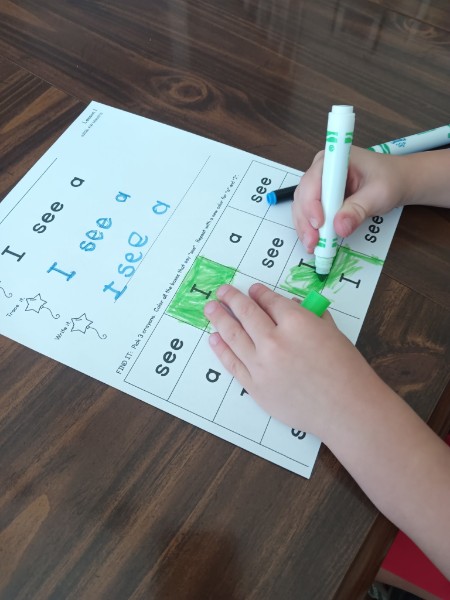
Here’s what they need from teachers and parents to make learning easier.
Repetition
Young learners need repetition in ways that aren’t boring!
This means exposing children to the same concepts, sight words, and word families consistently over and over again, but in new and exciting ways that capture their imaginations and engage their senses.
Movement
Many preschool and kindergarten kiddos learn best on the go, not sitting in a chair! So, make learning fun and full of movement.
Good lessons accommodate visual and auditory learners — but also kids who learn through full-body motion and activity. And honestly, that’s the majority of them at this age!
Short Lessons
The average attention span for a child ages 4–6 is about 10–15 minutes long, or about two to three times their age.
But in practice, I’ve found even shorter bursts of learning lasting 5–7 minutes are often the most effective.
Reading in Context
Kids benefit from seeing CVC words and new sight words used naturally in context, with plenty of picture support to provide clues and help them decode.
This also helps develop reading fluency and deeper comprehension — giving meaning to their learning.
Writing Practice
Reading and writing go together like peanut butter and jelly!
As children learn to read, they naturally begin writing as well. Beginning readers need abundant opportunities to practice writing the words they are learning.
A Simple Daily Literacy Routine for Pre-K and Kindergarten
Since young learners need short, interactive lessons, you can give them exactly what they need with confidence.
Try this simple framework after your kids have mastered ABCs and letter sounds.
Not sure if they’re ready? Give them this quick kindergarten readiness assessment first to determine if they’ve already mastered what’s needed for this next step and check out the pre-k checklist to make sure they’re on track.
1. Play word family & rhyming games
Play verbal games like, “What rhymes with bed?”, “red!”. Grab a whiteboard and show them how the rhyming words all end with the same letters. Short, quick, powerful!
2. Introduce 2-4 new sight words at a time
Choose just a few sight words from the Frys or Dolch Sight Words List (they’re very similar and both considered to be the standard). Start with the easy ones – the words they see the most (the, and) or begin with the 1-letter words (I, a) and 2-letter words (am, is, in) then move on to 3-letter words (and, the).
3. Write or trace sight words
Writing is a powerful way to cement learning! Besides just asking beginning readers to read the words, invite them to take ownership by writing them, too!
- Write the words and have young learners trace or copy the letters.
- Write them on a whiteboard, chalkboard, or LED tablet
- Write them with a finger in sand
- Write words in shaving cream
- Use watercolor paints to write them using a paintbrush
- Write words on a window or mirror using dry erase markers
4. Play movement games
Make learning hands-on and interactive with full body engagement. Little kids need to wiggle and move! Try these simple ways to make sight words stick:
- Air Writing: Use entire arm to write letters of each word BIG in the air.
- Exercise: Spell sight words aloud while doing jumping jacks, hopping, or balancing on one leg.
- Rhythm: Spell words while tapping knees or clapping hands rhythmically.
- Stomp: Write words on cards and lay them on the floor in a path. Step on each word as you read it aloud.
- Games: Using word cards, play Memory, Go Fish, or BINGO with sight words.
5. Practice reading sentences using those sight words & word families
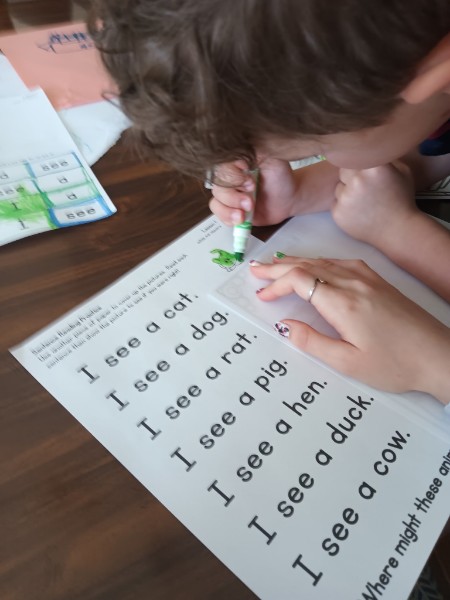
Kids need to see sight words in context, so write out short, simple, repetitive sentences using the sight words kids know combined with easy-to-read CVC words. For example:
“I am a dog. I am a cat. I am a bird.”
This kind of repetitive reading helps build confidence – and kids think it is fun! Add a little picture for even more support or ask kiddos to draw their own.
How to Teach Sight Words Without Boredom
The key to mastering sight words is seeing them again and again in fun, interactive ways that keep a child’s attention.
How can you engage kids with the same words repetitively?
- Play movement-based sight word games with flashcards.
- Read mini books targeting those same sight words.
- Write in journals with targeted prompts that review the same sight words.
- Read real sentences with sight words used in context.
Research tells us that most children need between 6–20 repetitions of new information to master a concept. Between games, sentences, books, flash cards, writing, and reading in context, it’s easy to provide meaningful repetition within just a few days.
Are Sight Words Alone Enough?
Learning sight words is only one important piece of the puzzle.
A strong beginning reading curriculum includes:
- Hearing books read aloud
- Phonics instruction
- Sight word practice
- Decoding skills
Does Teaching Sight Words Replace Teaching Phonics?
No — teaching sight words does not replace teaching phonics.
Sight words and dedicated phonics instruction go hand in hand. Teaching sight words provides extra focus on high-frequency words children encounter often in early reading. This helps build confidence, fluency, and comprehension.
However, phonics instruction teaches children how letters and sounds work together so they can decode unfamiliar words independently. When used together — along with plenty of good books — children build a strong foundation for lifelong reading success.
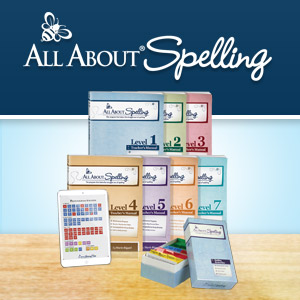
My absolute favorite phonics and spelling program is All About Spelling. You can read more about my thoughts on it and why my family loves it in this blogpost.
The Importance of Reading Aloud
It probably goes without saying, but the foundation of any reading instruction should always be to read aloud with beginning readers. So, in addition to the 10-15 minutes of targeted sight-word instruction outlined above, curl up together and read stories.
There’s so much power and enjoyment in simply reading together! Use your finger as you read to point to the text – this subtly teaches text directionality, and models how to read a book.
Just wait! Pretty soon, your finger will hit a sight word – and your kids will shout it out with excitement!
What a Week of Pre-K and Kindergarten Reading Can Look Like
Remember, we’re aiming for short, targeted instruction. With that in mind – and our list of sight words in hand – we can easily accomplish the following:
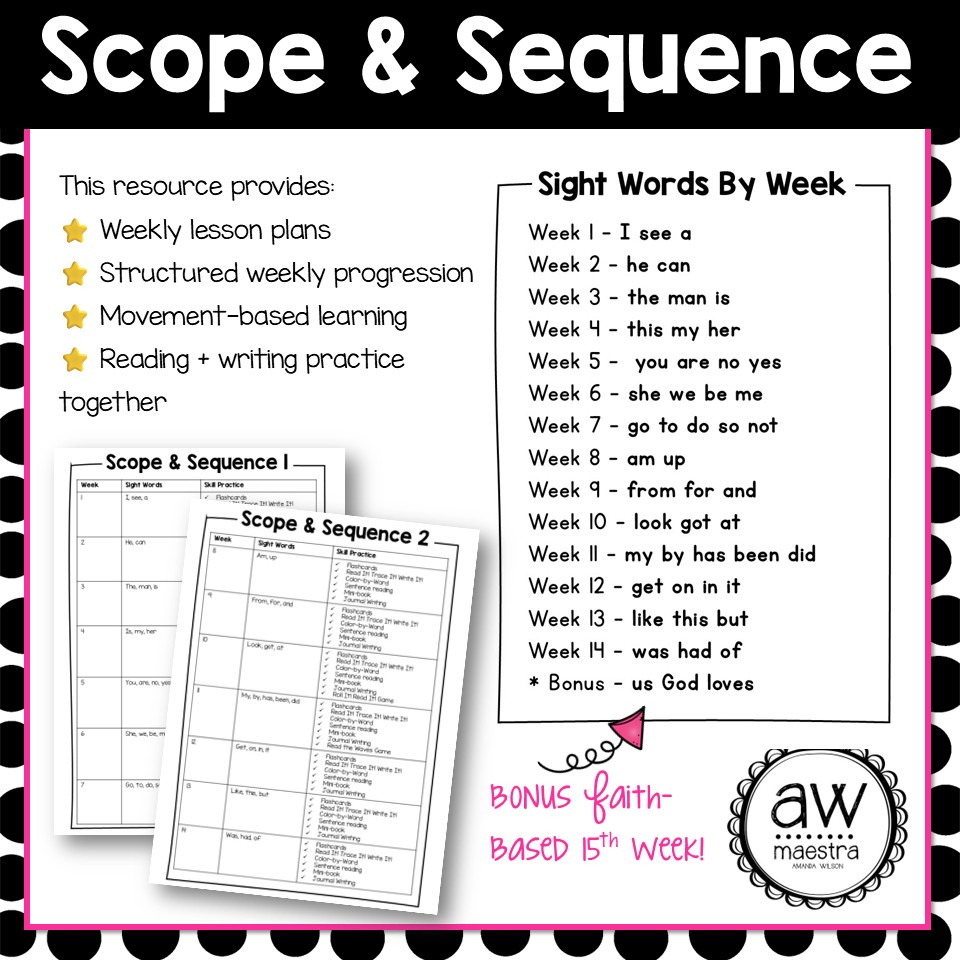
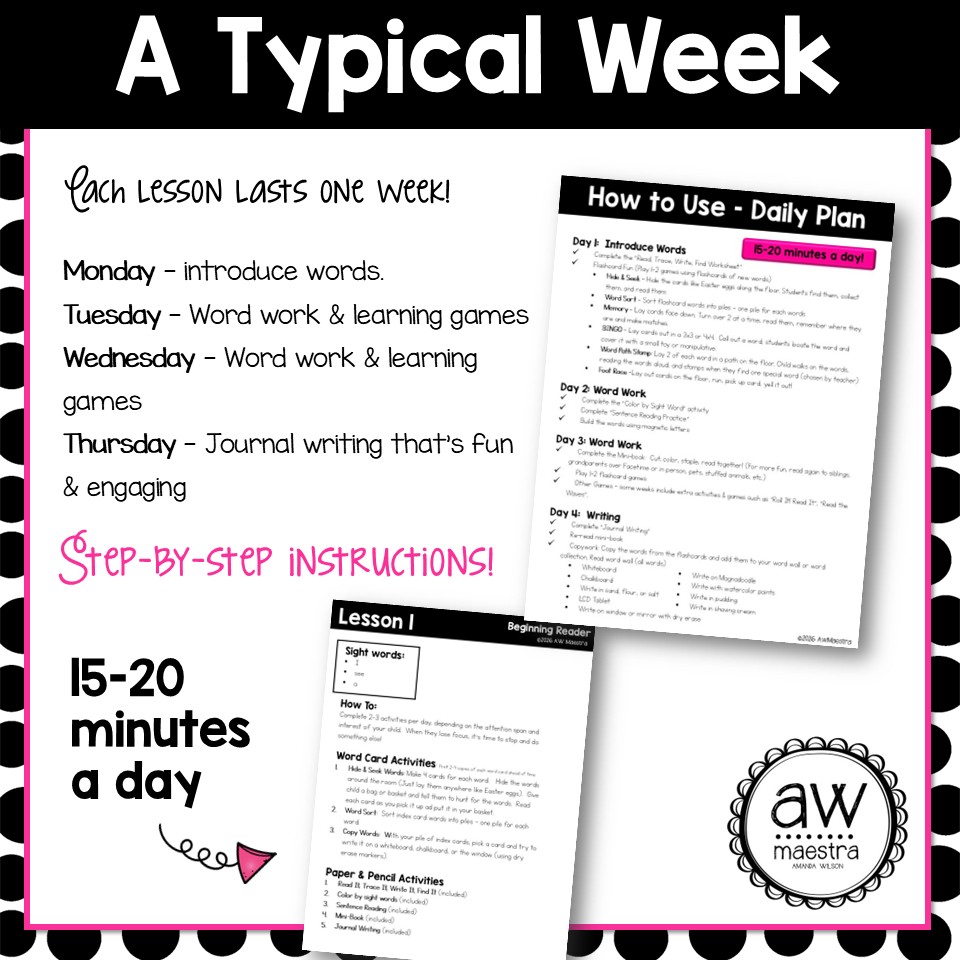
Monday – introduce 3-4 new sight words (10-15 minutes)
Tuesday – sight words mini-book & movement-based word games (15 minutes)
Wednesday – repetitive sentence reading practice & another game or two (15 minutes)
Thursday – Journal writing & more interactive games! (10-15 minutes)
After using this same approach both in my pre-k classroom and at home with my own kiddos, I wanted a simple way for parents and teachers to follow the same daily routine. So, I created a simple 14-week program that walks parents and teachers step-by-step through daily beginning reading lessons.
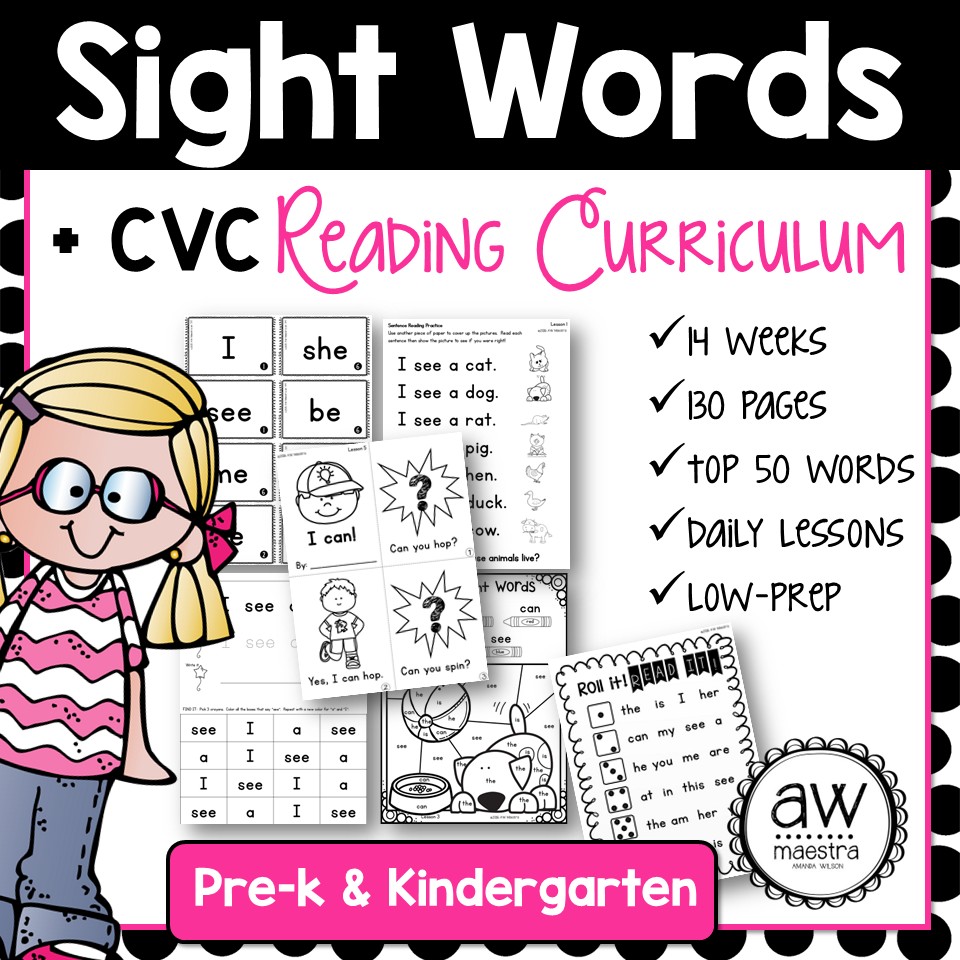
Beginning Reading Curriculum for Pre-K & Kindergarten
Has your child already mastered letter names and sounds? Then it’s time for the next step! Introduce sight words, sentences, and new vocabulary through hands-on, interactive activities that aren’t just worksheets!
Teacher-Made & Loved By Kids
This simple sight-word and CVC beginning reader curriculum is so easy to use! My kids loved it and could easily read simple words and sentences by the end of pre-k.
Here’s what made it work for us:
- Super-low prep – just print and go!
- Short daily lessons – 15-20 minutes
- Only 4 days a week (because little kids can be unpredictable – and may need a break)
- Hands-on learning (mini-books, coloring fun)
- Lots of interactive, movement-based games
- Writing practice
- Plenty of repetition – the fun way!
You can see the full 14-week literacy program in my Teachers Pay Teachers store.
Is this program right for you?
This 14-week beginning reading curriculum is for any preschool or kindergarten littles who have mastered ABCs and letter sounds and are ready for the next step.
It’s a great fit for:
- Homeschool preschool
- Kindergarten
- Literacy centers
- Struggling early learners
Teaching a child to read doesn’t have to feel overwhelming or stressful. With small, consistent steps, children grow into confident readers one joyful lesson at a time!
If you’re just getting started homeschooling – or thinking about it, this simple guide walks you through the first steps.
FAQ:
What are sight words?
Sight words are the simple, most frequently used words that we want kids to know instantly – by sight – without having to stop to sound them out.
When should kids learn sight words?
Kids as early as age 4 should begin to learn basic sight words. Most literacy programs introduce sight words alongside or shortly after learning letters and letter sounds.
How many sight words should a preschooler know?
A good goal for preschool is to know from 10-20 sight words by the end of pre-k.
How many sight words should a kindergartener know?
Kindergarten students are expected to know the first 50 sight words by the end of the school year and the first 100 words by the end of 1st grade.
How many sight words should kids learn at a time?
There’s no specific number of sight words to introduce at a time – it depends on the age and ability of the students. However, introducing too many at once can be discouraging. Aim to introduce only a few at once and provide opportunities for mastery before moving on.