
Are you wondering how to teach phonics for kindergarten or pre-k?
When I first began teaching bilingual pre-k, I wasn’t even sure if we were supposed to teach children to read. Some educators said pre-k was too early for formal reading instruction. Hmmm.
But what I discovered changed everything.
Do Pre-K and Kindergarten Students Need Phonics?
Yes ! Young children benefit tremendously from systematic, explicit phonics instruction.
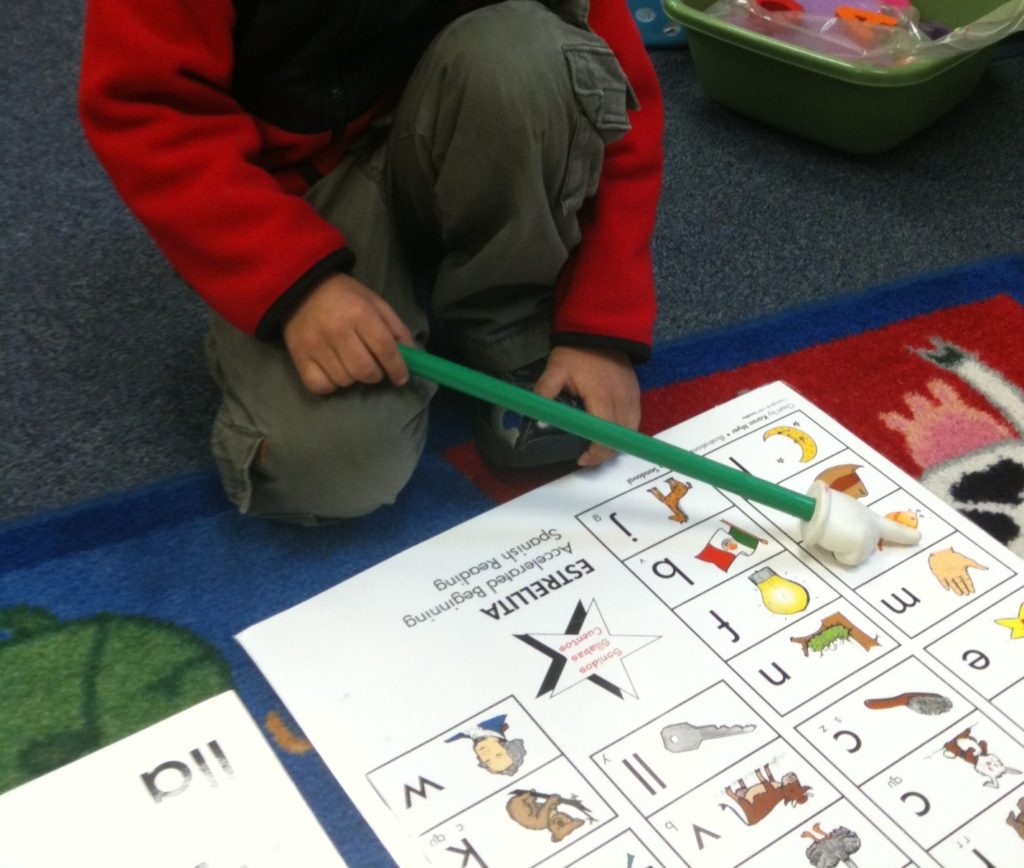
When my district introduced a simple, repetitive Spanish phonics program called Estrellita, I saw firsthand how powerful daily practice could be. See it in action in this fun, interactive video.
Every day we:
- Practiced letter sounds
- Chanted syllables
- Repeated blends
- Used a consistent alphabet chart
The results were remarkable.
By the end of the year, nearly all of my bilingual pre-k students had mastered their letter sounds and syllables – and many began reading and writing independently.
That’s when I became convinced:
Phonics is the foundation of early reading success.
Phonics for Kindergarten: What Actually Works
When I moved to kindergarten, I brought the same phonics routine with me.
Year after year, I discovered something encouraging:
Most kindergarten students can learn their basic letter sounds in about six weeks with consistent, high-energy instruction.
Our daily phonics block as high-energy and looked like this:
- Whole-group instruction
- Chanting alphabet sounds
- Full-body movement
- Out-loud participation
- Quick review every single day
It was structured – but delightful!
Why Systematic Phonics Instruction Matters
Children learn to read by cracking the code of language.
To decode words, they must:
- Recognize letters
- Know the sounds
- Blend sounds together
- Identify patterns
That only happens with:
- Short daily practice (5–10 minutes!)
- Direct instruction
- Repetition
- Clear visuals
Alphabet Charts That Reinforce Letter Sounds (English & Spanish)
I quickly realized I needed flexible phonics visuals I could build on.
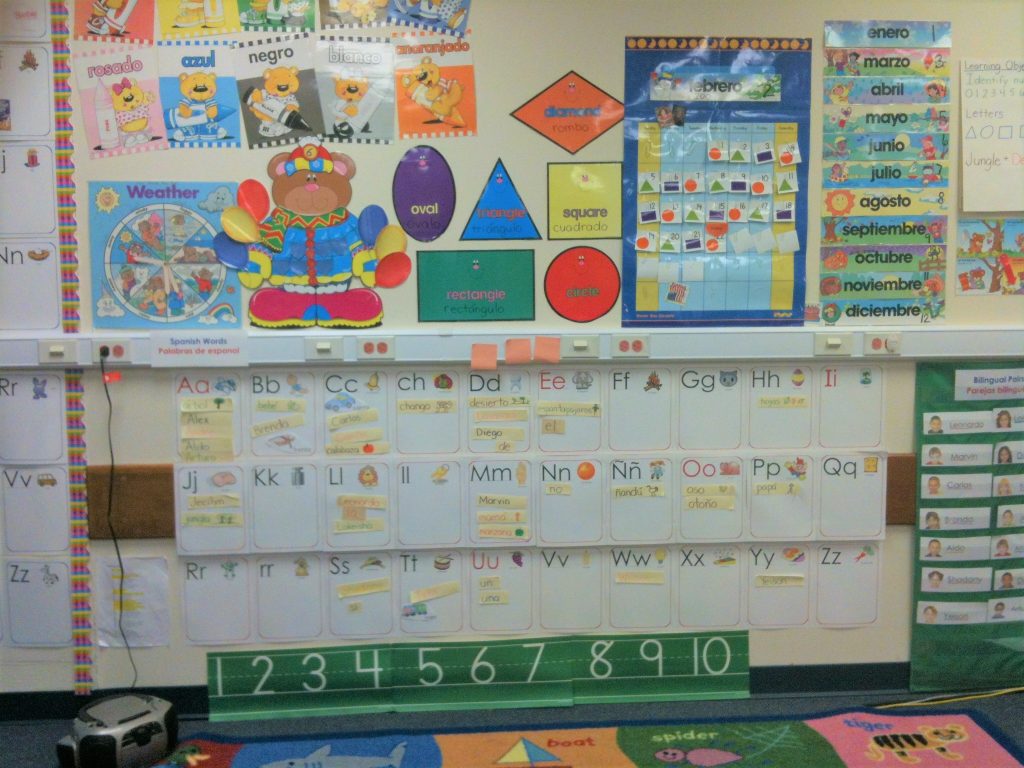
So I created large alphabet posters to hang in our classroom. We:
- Added sight words
- Inserted vocabulary
- Placed real objects in small bags
- Included student names
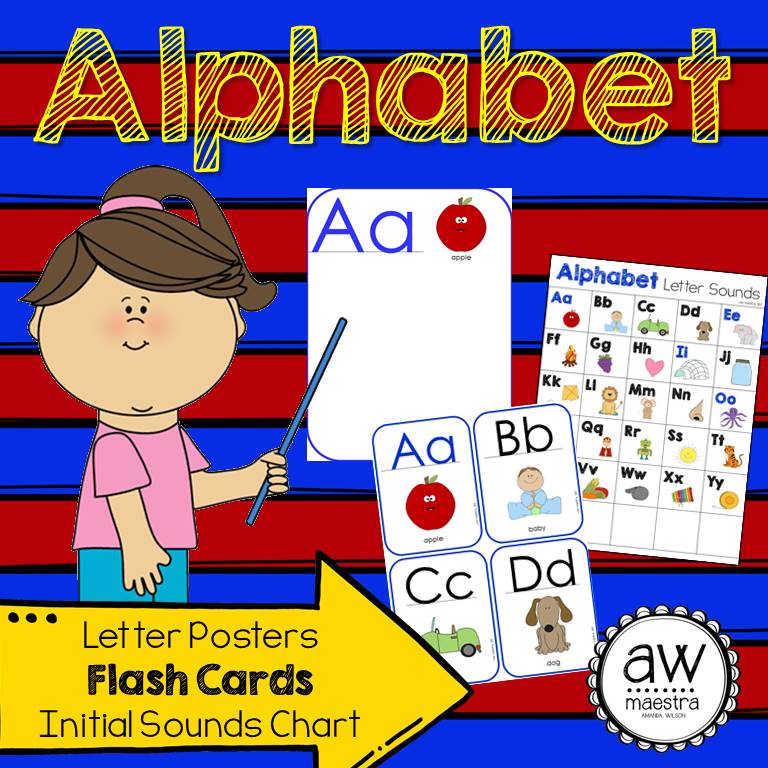
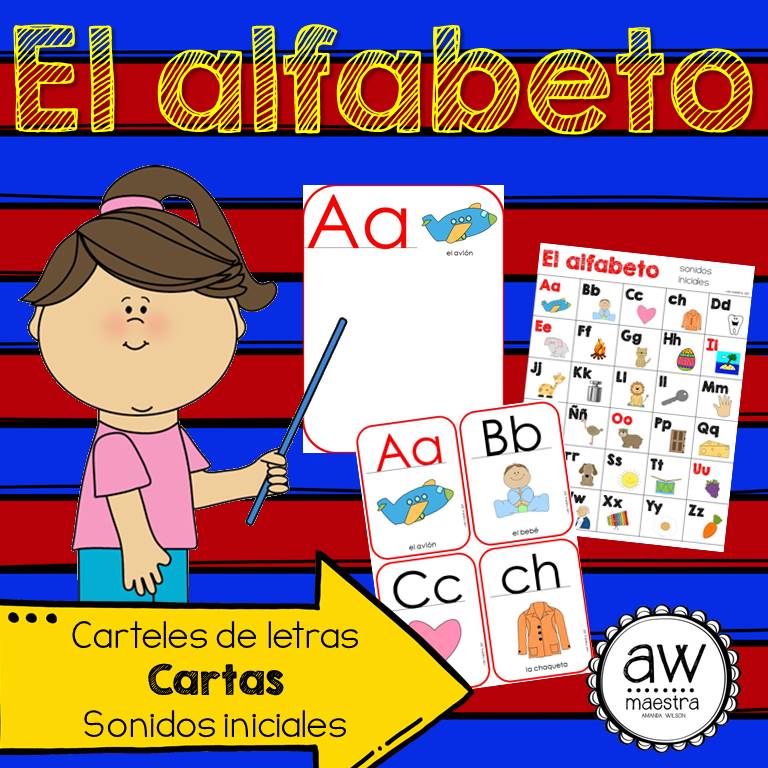
Those classroom tools eventually became the ABC charts and phonics resources I now offer in my shop.
You can find:
- English Alphabet Charts
- Spanish Alphabet Charts
- Printable phonics charts
- ABC Flash cards (4-to-a-page)
- Binder-ready review pages
These charts work beautifully for:
- Pre-k
- Kindergarten
- 1st grade review
- Homeschool phonics practice
They’re designed for quick, daily repetition – the key to mastery.
Teaching Phonics at Home (What I Did With My Own Kids)
When it came time to teach my own children to read at home, I used the same method.
Step 1: Master Letter Sounds
We used a simple alphabet chart from the phonics set and chanted daily:
- “Mouse, mouse, m-m-m!”
- “Sun, sun, s-s-s!”
We:
- Jumped
- Clapped
- Marched
- Used exaggerated vowel sounds
- Signed letters using American Sign Language
Children learn best when they:
- See it
- Hear it
- Move it
Just 5–10 minutes a day learning phonics in a multi-sensory way made a tremendous difference.
Step 2: Move to Blends
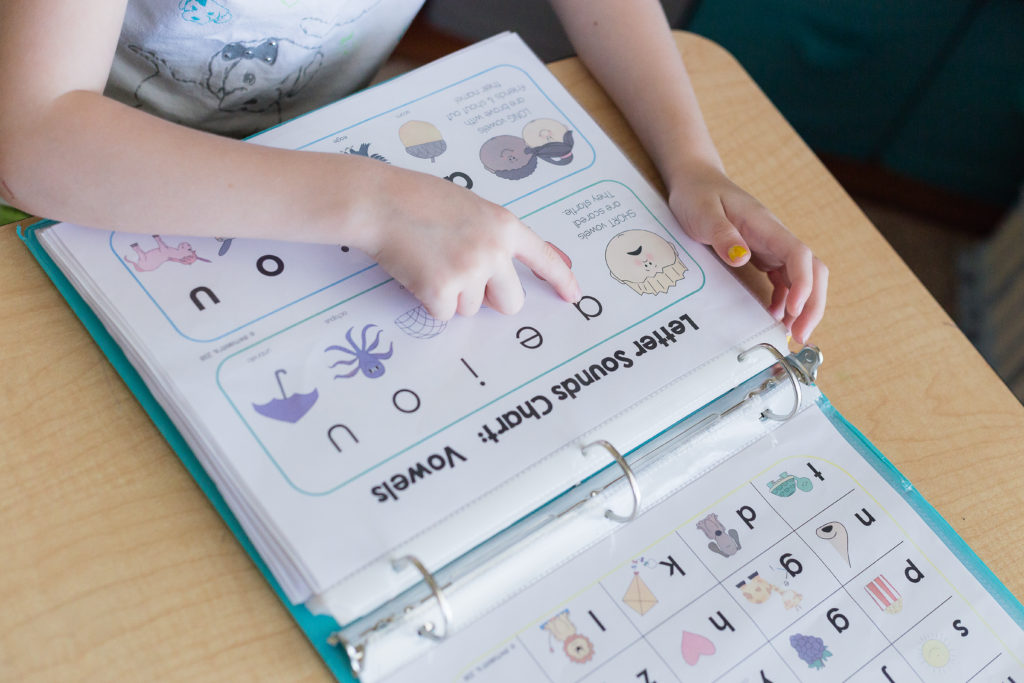
After mastering sounds, we used the phonics worksheets to progress to:
- Short vowels
- Long vowels
- Consonant Blends
- Rhyming words
- Clapping syllables of word
Step 3: Word Families + Beginning Sight Words
Once my kids had mastered all the letter sounds and were beginning blends, I knew it was time to introduce word families, basic CVC words (consonant – vowel-consonant), and high-frequency sight words.
So, I created a fun, interactive, multi-sensory approach to introduce the first 50 most important high-frequency sight words in English. My kids absolutely loved it!
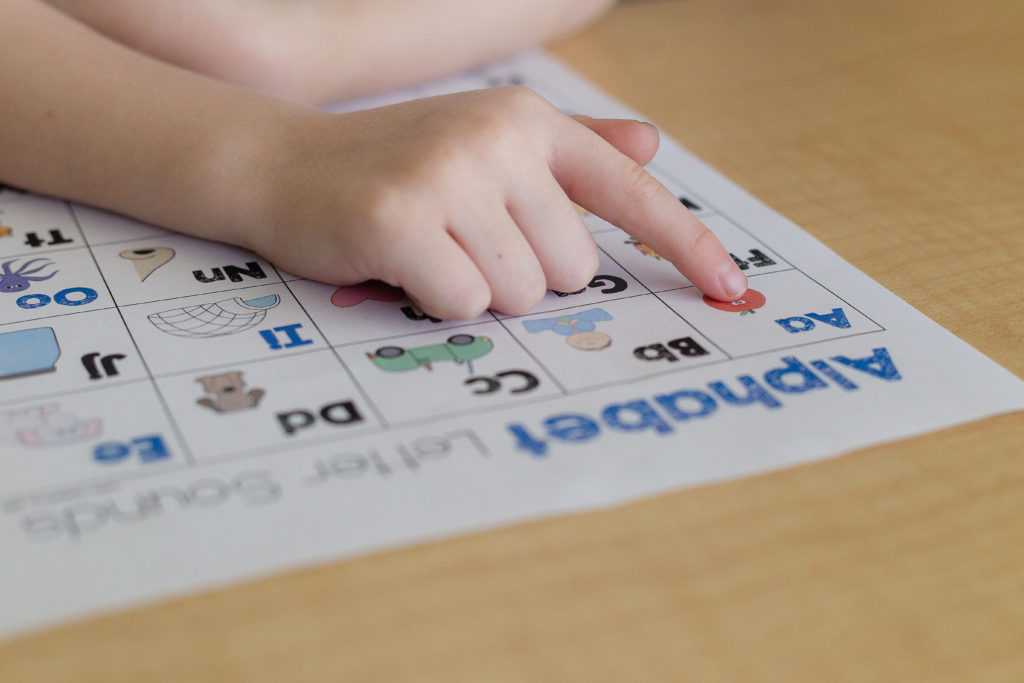
My Complete Phonics Chart Set (35 Charts for Early Readers)
Over time, I created a comprehensive phonics chart system – now available in my TPT shop – to support beginning readers.
The Phonics Chart set now includes 35 printable phonics charts covering:
- Consonants
- Short Vowels
- Letter blends
- Word families
- 3 Very Important Rules
- Silent e
- Shape Shifter Y
- Team Work Vowels
- Long vowels
- Vowel teams
- Consonant Teams
- Double letter endings (ff, ll, ss, zz)
- 1-1-1 Rule
- The Bossy R
- How to spell /er/
- Ou and ow
- Oy and oi
- Aw and au
- Practice with blends
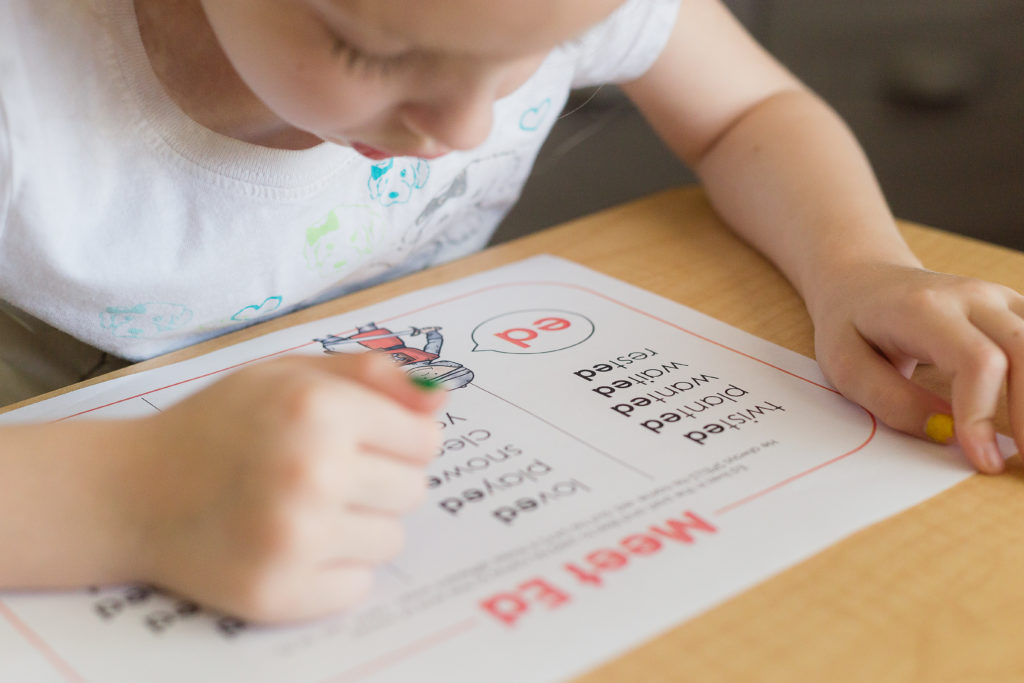
- Meet Ed
- Beginning Sight Words
- Harder Sight Words
- English Words Don’t End in I-U-V-J
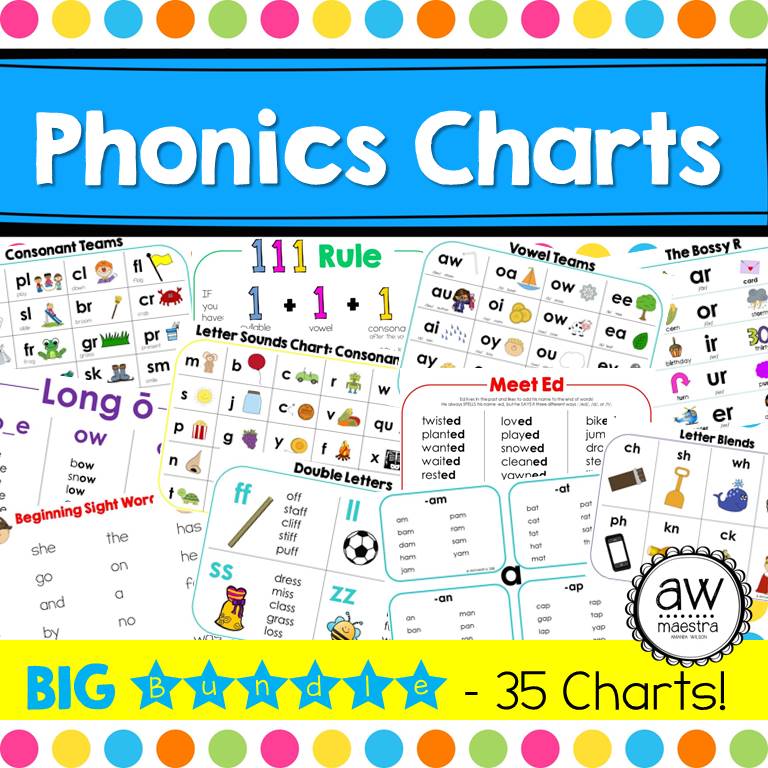
Phonics Charts and Alphabet Chart – BIG SET!
35 colorful phonics charts covering everything you need for Kinder, 1st, and 2nd grade literacy.
How to Use the Phonics Charts
These charts are so easy to use! You can:
- Print and place in sheet protectors
- Store in a 3-ring binder
- Use as a quick daily review
- Use to introduce new phonics concepts
- Cut apart into flashcards
- Put on binder rings
- Use as anchor charts
This system has lasted through multiple children – both in my classroom and in our homeschool.
What If a Child Struggles With Phonics?
If a child struggles to learn:
- Letter sounds
- Blends
- Rhymes
- Sight words
Despite consistent phonics instruction, it may indicate dyslexia.
Early identification and intervention are crucial. If your suspect your child may be dyslexic, don’t miss this interview with a dyslexia specialist and her tips for parents.
READ: Should I Homeschool? 10 Key Questions to Help You Decide

Phonics Is Foundational – But Reading Matters Most
Phonics is essential, but it must go hand-in-hand with:
- Reading aloud daily
- Vocabulary development
- Print awareness
- Rhyming games
- Clapping syllables
- Modeling fluent reading
- Encouraging beginning writing
Children also need plenty of time to pretend, imagine, and create their own meaningful stories through play. For young kids, playing is learning. Beginning literacy skills – like vocabulary development – start during playtime!
In our home, bedtime reading was sacred, too. Daily storytime is an absolute must!
We also played quick nightly language games – so fast they lasted all of 5 minutes! Here’s how it looked:
- Silly sounds (“My silly sound tonight is blah-blo-blah-blo”)
- Rhyming words (“My words are pillow, willow!”)
- Bible questions (“Who was the only girl judge? Deborah”)
- Word bammer “What does /c/-/a/-/r/-/t/ spell? Cart!”
- Analogies (“Lead is to pencils as ink is to what? Pens!”)
These five-minute nightly routines strengthened phonemic awareness, language development, vocabulary, conversational skills, and made learning to read joyful.
With fun daily games like this combined with lots of good reading and a few targeted moments spent in direct, explicit phonics instruction, suddenly learning how to read became a whole lot easier.
Used these with my 3rd grade phonics intervention group. Really helpful!
Jennifer C.
I love your products. Amazing ideas.
Nery P.
The Bottom Line: Simple, Consistent Phonics Works
If you are:
- Teaching phonics for kindergarten
- Looking for phonics for pre-k
- Homeschooling early readers
- Helping a struggling beginning reader
Keep it simple.
Keep it repetitive.
Keep it fun!
Five to ten focused minutes a day of systematic phonics instruction can build a strong reading foundation that lasts a lifetime.
And if you’d like a ready-to-use, organized phonics chart system that grows with your child, you can find my complete phonics resource in my TPT shop.
Pingback: ABC Bible Memory Verse Cards - Maestra Mom FREE
Pingback: Kindergarten Readiness Assessment & Checklist - Maestra Mom